
Bluetooth hearing aid benefits
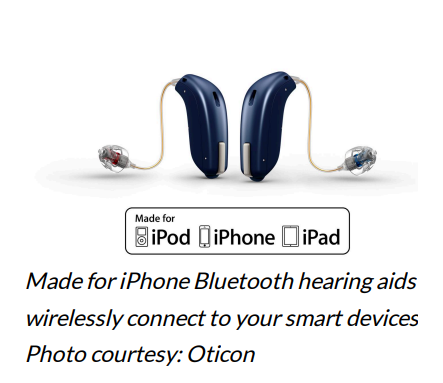
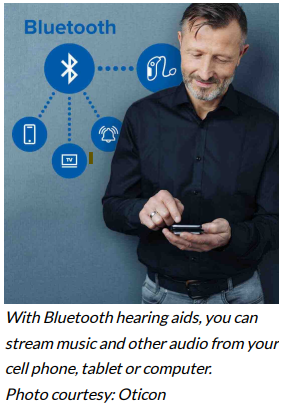
Bluetooth hearing aids connect wirelessly to smartphones, televisions and other audio devices. They allow you to stream sound directly into your hearing aids — giving you clearer audio without background noise getting in the way.
If you are considering hearing aids, Bluetooth connectivity is one of the most popular features available today. Understanding how it works can help you decide whether it is right for you.
How do Bluetooth hearing aids work?
Bluetooth hearing aids use wireless radio signals to communicate with compatible devices. When you pair your hearing aids with a smartphone or TV streamer, audio is transmitted directly into both ears simultaneously.
Most modern Bluetooth hearing aids use a low-energy Bluetooth protocol that minimizes battery drain. Some hearing aids connect directly to iPhones and Android phones without an intermediary device. Others use a small streaming accessory that clips to your clothing or sits near your TV.
What can you connect Bluetooth hearing aids to?
Bluetooth hearing aids can connect to a wide range of devices, including:
Smartphones – Stream phone calls and music directly into your hearing aids. Both iOS and Android devices are supported by most major hearing aid brands.
Televisions – A TV streamer plugs into your television and transmits audio wirelessly to your hearing aids. You can adjust the volume independently without affecting others in the room.
Computers and tablets – Stream audio from video calls, music and other media.
Remote microphones – A partner or speaker can wear a small microphone that transmits their voice directly to your hearing aids, which is especially helpful in noisy environments.
Benefits of Bluetooth hearing aids
Bluetooth connectivity offers several meaningful advantages over traditional hearing aids:
Clearer phone calls – Instead of holding a phone to your ear and fighting feedback, the caller's voice streams directly into both hearing aids.
Better TV audio – You can set your own volume level for the television independently of the room volume, reducing conflicts with family members.
Hands-free convenience – Many Bluetooth hearing aids support hands-free phone calls, so you can speak and listen without touching your phone.
Discreet control – Smartphone apps allow you to adjust volume, switch listening programs and fine-tune settings without reaching up to your ear.
Improved speech understanding – Streaming audio directly into both ears improves speech clarity, particularly in noisy settings.
Controlling your hearing aids with a smartphone app
Most Bluetooth hearing aids come with a companion app for iOS and Android. Through the app, you can:
Adjust the overall volume
Change listening programs (e.g., restaurant, outdoors, music)
Reduce background noise
Find your hearing aids if you misplace them
Track your daily usage and battery status
Apps vary by manufacturer, but they are generally designed to be straightforward and accessible for older adults.
Things to consider when choosing Bluetooth hearing aids
Not every Bluetooth hearing aid will suit every lifestyle. Here are some factors to discuss with your hearing care provider:
Battery type – Streaming audio drains the battery faster. Rechargeable hearing aids are a popular choice for people who use Bluetooth frequently, as they eliminate the need for small disposable batteries.
Direct connectivity vs. streamer – Some hearing aids connect directly to your phone without an intermediary device. Others require a small Bluetooth streamer. Direct connectivity is more convenient, but a streamer may support a broader range of devices.
Compatibility with your devices – Confirm that the hearing aids are compatible with your smartphone model and operating system before purchasing.
Hearing aid style – Bluetooth is available in most styles, including receiver-in-canal (RIC), behind-the-ear (BTE) and some in-the-ear (ITE) models. Very small, invisible-in-canal (IIC) aids may not support Bluetooth due to size constraints.
Who benefits most from Bluetooth hearing aids?
Bluetooth hearing aids are particularly well-suited to people who:
Frequently talk on the phone for work or staying in touch with family
Watch a lot of television
Attend meetings or lectures where a remote microphone could improve clarity
Prefer to adjust their hearing aids discreetly using a smartphone
Are comfortable with basic smartphone apps
If technology is not your strong suit, your hearing care provider can walk you through setup and show you how to use the features that matter most to you.
Find Bluetooth hearing aids near you
Hearing Directory lists trusted hearing clinics across Canada. A hearing care professional can help you find the right Bluetooth hearing aid for your lifestyle and degree of hearing loss.
Written by
Shantelle Shakes
BA(Hons)., Hearing Health Information Coordinator, Hearing Directory
BA (Hons)., Hearing Health Information Coordinator, Hearing Directory, and Tonyshia Janssen, Hearing instrument specialist diploma, Hearing Instrument Specialist Last updated on: June 17th, 2025